
Blog

2026 Best Type of Circulating Pump for Global Buyers?

Choosing the best Circulating Pump in 2026 is no longer a simple catalogue decision. Global buyers face changing energy prices, different voltage standards, water-quality concerns, and stricter efficiency expectations. A pump that performs quietly in a European apartment may struggle with unstable power or hard water elsewhere. The installation room matters, too. A narrow plant room leaves little space for service.

Pump-system specialist Dr. Martin Keller explains, “The right pump is not the biggest pump; it is the one that matches the system.” This practical view deserves attention. Oversizing can increase electricity use, noise, and valve stress. Undersizing can leave distant radiators cold and reduce domestic hot-water comfort. Neither choice is ideal.

This guide compares the leading Circulating Pump types for residential heating, solar systems, hydronic cooling, and light commercial applications. It examines variable-speed control, wet-rotor and dry-rotor designs, motor efficiency, corrosion resistance, and controller compatibility. Real purchasing decisions also involve warranty support, spare parts, installation skills, and after-sales service.

Some assumptions need testing. “Smart” does not always mean suitable. A lower purchase price can become expensive after repeated maintenance. Buyers should check flow rate, total head, fluid temperature, connection size, and operating noise before comparing brands. Local service remains important.

Small details matter.

The strongest 2026 choice will balance efficiency, reliability, lifecycle cost, and regional conditions. This article helps global buyers make that decision with clearer evidence, while recognizing that no single Circulating Pump fits every building or climate.
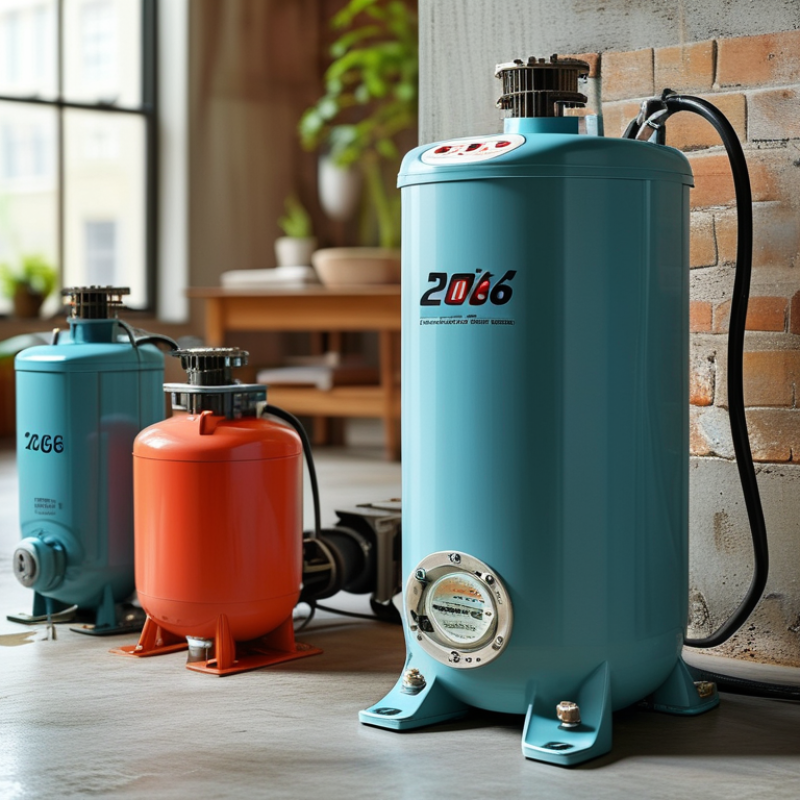
2026 Best Type of Circulating Pump for Global Buyers?

Circulating Pump Basics: Flow, Head, Temperature, and NPSH Requirements

For global buyers, the best circulating pump begins with measured system requirements, not catalog popularity. Flow rate describes how much fluid moves through the loop. Head describes the pressure needed to overcome pipe friction, valves, filters, and elevation.

A heating loop may need steady flow at 80°C, while a cooling circuit may operate near 5°C. Temperature changes viscosity, vapor pressure, seal conditions, and material selection. Record the normal and maximum temperatures. Then check the pump curve at the actual fluid condition, not only with water at room temperature.

NPSH deserves careful attention. Available NPSH depends on tank pressure, liquid temperature, suction pipe design, and installation height. Required NPSH comes from the pump curve. Keep available NPSH comfortably above required NPSH, because small margins can produce noise, vibration, and cavitation. Keep suction lines short.

Do not oversize casually. An oversized pump may throttle against a valve, waste energy, and create unstable flow. Field checks often reveal inaccurate pipe lengths or forgotten strainers. Recheck those details. No sizing rule is perfect. A practical selection should include measured flow, total dynamic head, temperature range, fluid properties, and future operating changes. Engineers should verify the final point during commissioning and adjust controls when actual conditions differ.

Wet-Rotor ECM Pumps: EEI ≤0.23 and Variable-Speed Energy Savings

For global buyers, the best circulating pump is often a wet-rotor ECM pump with an EEI of 0.23 or lower. Its electronically commutated motor adjusts speed according to heating demand. This can reduce electricity use during mild weather, when full pump output is unnecessary. In practical installations, quieter operation is also noticeable near bedrooms and office areas.

Variable-speed control works best when the pump is correctly sized. A high-efficiency pump cannot fix an oversized heating circuit or blocked filters. Check the system curve, required flow, head pressure, pipe diameter, and control signal before purchasing. Small details matter.

A pump operating at a lower setting may save energy, but insufficient flow can leave distant radiators cool.

Installation experience also shows that commissioning deserves attention. Air in the rotor chamber may cause noise and unstable performance. The system should be flushed, vented, and checked for leaks before automatic control begins. Buyers should confirm voltage, frequency, connection type, temperature range, and local efficiency requirements. Certification documents and tested performance data are more reliable than promotional claims.

There is one limitation. Energy savings vary with climate, building insulation, control habits, and operating hours. A rural heating system with old valves may not achieve the expected reduction. That assumption fails. Comparing measured power use before and after installation gives a more honest result. The display may show low wattage, but seasonal performance still needs real monitoring.

End-Suction and Inline Pumps: Comparing 5–500 m³/h Capacity Ranges

2026 Best Type of Circulating Pump for Global Buyers?

For global buyers, the 5–500 m³/h range reveals a practical difference between inline and end-suction pumps. Inline designs place suction and discharge on one axis, reducing footprint and pipe rerouting. They suit hydronic loops, HVAC risers, and clean-water duties. End-suction pumps offer broader layout freedom and easier access to the casing and impeller. They become more attractive as flow, suction complexity, or maintenance access increases. The split is not clean.

The International Energy Agency’s Energy Efficiency 2023 report states that electric motor systems consume roughly half of global electricity. Pump energy depends on flow, total dynamic head, efficiency, and operating hours, not capacity alone. The U.S. Department of Energy’s Pumping System Assessment Tool uses these variables for system evaluation. At 5–50 m³/h, an inline pump may reduce plant-room space and installation labor. From 50–500 m³/h, end-suction arrangements often provide stronger service flexibility, especially with parallel units. Yet a large inline pump can perform well when alignment and pipe support are engineered correctly. Capacity labels can mislead.

Buyers should request a duty-point curve, NPSH margin, motor efficiency data, seal material, and a documented operating envelope. Hydraulic Institute guidance emphasizes checking pump performance against specified flow and head. This matters when temperature or fluid cleanliness changes. A 300 m³/h pump running far below its best-efficiency point may waste energy and suffer vibration. I have seen selections based only on maximum flow. That shortcut looks efficient on paper. It is not. Site records, standby philosophy, and local service capability should influence the final choice.

Solar, HVAC, and Industrial Applications: Materials for 0–150°C Fluids

2026 Best Type of Circulating Pump for Global Buyers?

Temperature changes everything. For fluids from 0°C to 150°C, pump materials must match chemistry, pressure, and heat cycling. The IEA Renewables 2024 report recorded 585 GW of new renewable capacity in 2024. Solar expansion increases demand for reliable circulation in collector and storage loops. For clean water below 80°C, stainless steel or engineered polymer wet ends can offer practical corrosion resistance. Closed HVAC systems often use cast iron, but oxygen entry can quickly challenge that choice. Stainless steel is safer for oxygenated water and mildly aggressive glycol mixtures.

Solar glycol needs more attention at elevated temperatures. Repeated stagnation can darken fluid, increase acidity, and damage elastomers. EPDM suits many water-glycol systems, while FKM may better tolerate higher temperatures and certain oils. At 120–150°C, check the manufacturer’s continuous temperature rating, not only the maximum label. Industrial fluids demand deeper testing. Chlorides, solvents, suspended particles, and low pH can defeat attractive materials. A stainless body is not automatically safer. I have seen seals fail before the metal showed visible damage. The U.S. Department of Energy’s Pumping System Sourcebook estimates pumping systems may consume 25–50% of industrial facility electricity. Efficient hydraulics matter.

Tips: Confirm glycol concentration, viscosity, and oxygen exposure before selecting materials. Check NPSH and vapor pressure at operating temperature. Request chemical-compatibility data. Then test a small loop. Real fluid behavior can be inconvenient.

2026 Best Type of Circulating Pump for Global Buyers? – Solar, HVAC, and Industrial Applications: Materials for 0–150°C Fluids
Selection guide based on fluid temperature, application duty, wetted materials, sealing method, and typical operating requirements. Actual performance must be confirmed against the pump curve and system conditions.
Application Typical Fluid Fluid Temperature Recommended Pump Type Preferred Wetted Materials Common Seal or Bearing Arrangement Typical Flow Range Typical Head Range Key Selection Factors Suitability Summary
Residential HVAC Water or water-glycol mixture 0–90°C Wet-rotor circulator Cast iron Stainless steel Composite Water-lubricated ceramic or carbon-based bearing system; no dynamic shaft seal in the wet-rotor chamber 0.5–15 m³/h 2–12 m Low noise, variable-speed control, air elimination, glycol concentration, and system resistance Best for compact heating, cooling, and domestic hydronic circuits
Commercial HVAC Chilled water, hot water, or water-glycol mixture −10–120°C In-line or end-suction centrifugal pump Ductile iron Cast iron Stainless steel Mechanical seal with EPDM or FKM elastomers; cartridge seal preferred for serviceability 5–300 m³/h 8–60 m Duty point, NPSH available, control strategy, flange standard, insulation, and seasonal load variation Suitable for air-handling units, district loops, chillers, and heating distribution
Solar Thermal Water, propylene-glycol mixture, or solar heat-transfer fluid 20–150°C High-temperature circulator or close-coupled centrifugal pump Stainless steel Brass High-temperature composite High-temperature mechanical seal; ceramic/carbon faces with EPDM or FKM elastomers, depending on fluid 0.3–12 m³/h 3–18 m Stagnation temperature, glycol compatibility, vapor risk, thermal insulation, pressure rating, and corrosion resistance Recommended where high fluid temperature and intermittent solar operation are expected
Geothermal and Heat Pump Systems Water, brine, or water-glycol mixture −15–60°C Wet-rotor or high-efficiency in-line centrifugal pump Stainless steel Composite Coated cast iron Wet-rotor bearing system for clean water; mechanical seal for larger or contaminated circuits 1–100 m³/h 3–35 m Brine concentration, corrosion potential, low-temperature viscosity, variable-speed demand, and electrical efficiency Effective for ground-source loops and low-temperature hydronic systems
Industrial Process Water Clean process water or treated water 5–100°C Close-coupled or long-coupled centrifugal pump Stainless steel 304 Stainless steel 316 Ductile iron Single mechanical seal; double seal may be selected for hazardous, abrasive, or highly corrosive fluids 2–500 m³/h 10–100 m Continuous-duty rating, motor service factor, seal plan, NPSH margin, corrosion, and maintenance access General-purpose option for cooling, circulation, filtration, and utility-water duties
Boiler and Hot-Water Circulation Hot water or treated heating water 60–150°C High-temperature in-line or end-suction centrifugal pump Ductile iron Carbon steel Stainless steel High-temperature mechanical seal with suitable carbon/ceramic faces and temperature-rated elastomers 3–250 m³/h 10–80 m System pressure, boiling margin, seal temperature, thermal expansion, minimum flow, and pressure relief protection Suitable for pressurized heating-water and boiler-side circulation
Cooling Towers and Open Loops Cooling water containing suspended solids or treatment chemicals 10–45°C Vertical turbine, end-suction, or horizontal split-case centrifugal pump Coated cast iron Bronze Stainless steel 316 Mechanical seal or packed gland; seal selection depends on water quality and chemical treatment 20–2,000 m³/h 10–90 m Solids content, corrosion, open-tank suction conditions, strainer losses, duty cycle, and water treatment Preferred for high-flow circulation where water quality may vary
Food and Beverage Utilities Clean water, hot water, or low-viscosity sanitary fluids 5–120°C Sanitary centrifugal pump Stainless steel 316L Electropolished surfaces Hygienic mechanical seal with food-compatible elastomers such as EPDM or FKM 1–150 m³/h 10–70 m Cleanability, drainability, surface finish, hygienic connections, CIP temperature, and seal certification Best where hygienic design and frequent cleaning are required
Chemical Processing Dilute acids, alkalis, solvents, or treated process fluids 0–120°C Magnetic-drive centrifugal pump or chemical-process centrifugal pump Fluoropolymer-lined Stainless steel 316 Alloy materials Sealless magnetic drive for leak prevention, or corrosion-resistant mechanical seal for suitable fluids 0.5–300 m³/h 5–100 m Chemical compatibility, vapor pressure, specific gravity, viscosity, containment, and temperature derating Use only after verifying the exact chemical concentration and material compatibility
Thermal-Oil Circulation Mineral-based or synthetic heat-transfer oil 50–150°C Hot-oil centrifugal pump Carbon steel Stainless steel Temperature-rated alloys High-temperature mechanical seal with compatible carbon/ceramic faces and FKM or other rated elastomers 1–250 m³/h 10–80 m Oil viscosity, flash point, seal cooling, thermal expansion, vapor pressure, and maximum film temperature Designed for indirect heating and cooling loops using low-viscosity thermal oils
Wastewater and Mildly Abrasive Fluids Wastewater, treated effluent, or liquid containing suspended particles 5–60°C Non-clog or vortex centrifugal pump Cast iron Stainless steel Hard-faced components Double mechanical seal or abrasion-resistant seal arrangement 5–1,000 m³/h 5–80 m Solids size, solids concentration, clogging risk, corrosion, dry-run protection, and cleanout access Appropriate for contaminated circulating fluids rather than clean-water systems
High-Pressure Industrial Circulation Clean water, condensate, or treated process fluid 5–140°C Multistage centrifugal pump Stainless steel Ductile iron Carbon steel Mechanical seal selected for pressure, temperature, and fluid chemistry; balanced seal often preferred 1–200 m³/h 40–250 m Pressure rating, interstage forces, NPSH, minimum stable flow, motor power, and system relief protection Best for high-head circulation, boiler feed support, and pressurized process systems
Technical note: Temperature ranges and material recommendations are typical engineering guidelines, not universal limits. Confirm the fluid chemistry, concentration, viscosity, pressure, NPSH, electrical standard, seal elastomer compatibility, and applicable regional safety requirements before final selection.

2026 Buyer Criteria: Efficiency, IP Ratings, Noise Below 43 dB(A), and Service Life

2026 Best Type of Circulating Pump for Global Buyers?

For global buyers, efficiency starts with the duty point, not the catalog headline. The U.S. Department of Energy reports that pumping systems may consume 25–50% of industrial facility electricity. A correctly sized variable-speed circulator can reduce waste during partial-load operation. The European Commission’s Ecodesign rules set an Energy Efficiency Index limit of 0.23 for many glandless circulators. Check the declared EEI and operating curve together.

Noise below 43 dB(A) suits bedrooms, offices, and light commercial spaces. However, measured noise depends on pipe vibration, air, mounting, and water velocity. ISO 3744 testing improves comparison, but field results may differ.

Ask for a test condition, distance, and background-noise value. Quiet on paper is not always quiet at night.

IP ratings also need practical interpretation. IEC 60529 defines IP protection levels; IP44 protects against solid objects above 1 millimeter and water splashes. Damp plant rooms may require a higher rating, but an oversized enclosure can complicate cooling.

Service life should include bearing design, seal materials, thermal protection, and spare-part availability. A ten-year claim means little without duty-cycle data.

I would request endurance-test hours, warranty terms, and maintenance records before approval.

Mistakes happen. The installation environment often decides the real lifespan.