How to Choose the Best Rechargeable Lithium Batteries?
When selecting the best Rechargeable Lithium Batteries, it's essential to recognize their growing significance in the market. According to a report by MarketsandMarkets, the global lithium-ion battery market was valued at $41.7 billion in 2020 and is projected to reach $116.4 billion by 2028. This growth indicates a rising demand for effective energy storage solutions.
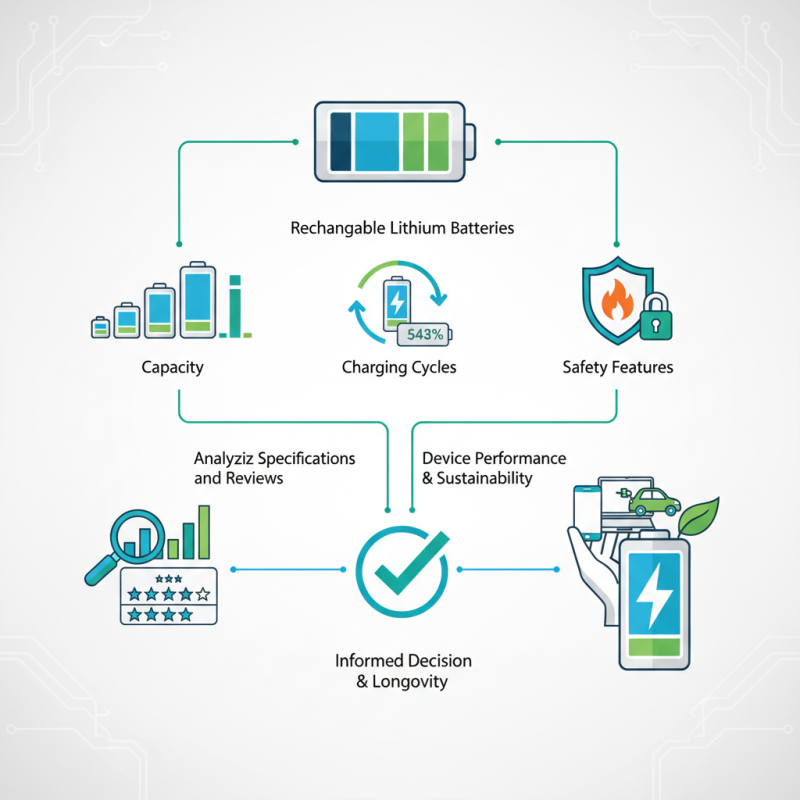
Rechargeable lithium batteries offer numerous advantages, including high energy density and longevity. They provide a reliable source of power for various devices, from smartphones to electric vehicles. However, choosing the right type can be challenging due to various factors such as capacity, charging cycles, and safety features.
Furthermore, some batteries may not deliver the advertised performance or lifespan. It's crucial to analyze specifications and user reviews carefully. The right choice not only enhances device performance but also contributes to sustainability. By understanding the features and potential drawbacks of rechargeable lithium batteries, consumers can make informed decisions that meet their needs.
Understanding Lithium Battery Chemistry and Types
When selecting rechargeable lithium batteries, understanding their chemistry and types is essential. Lithium batteries come in various chemistries, primarily lithium-ion and lithium-polymer. Lithium-ion batteries offer high energy density, making them ideal for many electronic devices. They can typically endure over 500 charge cycles. In contrast, lithium-polymer batteries are lighter and can be shaped differently, but often have a lower energy density.
Tips: Always consider energy density when choosing a battery. Higher density means longer usage times between charges.
The choice may depend on specific needs. For instance, lithium-ion batteries are widely used in smartphones and laptops due to their longevity and efficiency. According to a 2022 industry report from the Battery Innovation Center, lithium-ion batteries can achieve 90% efficiency after multiple cycles. However, some users report that these batteries can degrade over time, especially if not maintained properly. Charging habits significantly affect lifespan.
Tips: Aim to keep batteries charged between 20% and 80% to extend their life.
Lithium technology evolves rapidly. New materials and designs are emerging. Still, one should remain cautious of claims regarding longevity. Not all manufacturers provide transparent information on battery performance. Always seek reputable sources and user experiences before making a decision. The balance between cost and performance is critical in this market.
Evaluating Capacity, Energy Density, and Cycle Life
When selecting rechargeable lithium batteries, capacity, energy density, and cycle life are crucial factors. Capacity, measured in milliamp hours (mAh), indicates how much energy the battery can store. High-capacity batteries, typically rated between 2000 to 3500 mAh, offer longer usage times for devices. However, higher capacity often comes with increased weight and size, potentially limiting their application.
Energy density, expressed in watt-hours per kilogram (Wh/kg), is another vital attribute. Lithium batteries generally provide excellent energy density compared to other rechargeable technologies. Reports show that lithium-ion batteries can reach energy densities up to 250 Wh/kg. This means they can store more energy in a smaller package, enhancing portability. However, the trade-off can be cost. Making decisions based on price alone might lead to poorer performance in demanding applications.
Cycle life, which refers to how many charge-discharge cycles a battery can endure before its capacity significantly diminishes, is often overlooked. A high-quality lithium battery can offer 500 to 1500 cycles. Users often underestimate how frequently they will recharge their devices. Therefore, considering cycle life is critical for long-term performance and sustainability.
Tips: Always assess the manufacturer’s specifications. Not all batteries perform identically across different devices. Regularly check your battery's performance over time. Adjust your usage habits if you notice a drop in efficiency.
How to Choose the Best Rechargeable Lithium Batteries?
| Battery Type | Capacity (mAh) | Energy Density (Wh/kg) | Cycle Life (Cycles) |
| 18650 | 2500 | 230 | 500 |
| 21700 | 5000 | 270 | 800 |
| LiPo | 3000 | 150 | 300 |
| LiFePO4 | 2800 | 120 | 2000 |
| 10440 | 350 | 200 | 300 |
Assessing Charge and Discharge Rates for Optimal Performance
When selecting rechargeable lithium batteries, understanding charge and discharge rates is essential for optimal performance. Charge rate, often measured in C-rates, defines how quickly a battery can be charged. A higher C-rate means faster charging. However, charging too quickly can lead to overheating and reduce battery lifespan. According to industry reports, lithium batteries with optimal C-rates are often charged at 1C or lower for better longevity.
Discharge rates also play a critical role. A battery that discharges too quickly can provide high power but may affect overall efficiency. Batteries performing at lower discharge rates may not deliver immediate power, but they ensure the device runs longer. Research from battery technology forums suggests that a discharge rate of 0.5C to 1C offers a balance between power and efficiency.
Temperature also impacts charge and discharge efficiency. Operating at extremes can degrade battery performance. It's recommended to maintain a moderate temperature for lithium batteries, ideally between 20°C and 25°C. Some manufacturers emphasize the need for monitoring thermal conditions to enhance battery reliability. This reflects a growing understanding within the industry about the importance of precise charge and discharge management.
Identifying Safety Features and Certifications in Lithium Batteries
When selecting rechargeable lithium batteries, safety features and certifications are critical factors. Look for batteries that meet recognized safety standards. Certifications like UL, CE, or IEC signify that the battery has undergone rigorous testing. These certifications ensure the battery can handle various conditions without posing a risk.
In addition to certifications, pay attention to safety features such as overcharge protection, short-circuit prevention, and thermal management systems. These features help prevent failures that could lead to overheating or even fire. It’s essential to understand that not all batteries are manufactured equally. Some may lack these critical safety aspects, which can lead to hazardous situations.
While researching, take note of user reviews and experiences. They can reveal insights into reliability and performance. However, be cautious of overly positive feedback that may be biased. A balanced view allows for better decision-making. Remember that safety should always come first, even if it costs a little more. Sometimes, spending extra on quality batteries pays off in the long run.
Comparing Brands and Customer Reviews for Reliability and Value
Choosing the right rechargeable lithium batteries can be overwhelming. Different brands promise reliability, but not all deliver consistent performance. According to a study by the Battery University, around 30% of consumers experience battery failures within the first couple of months. This highlights the importance of scrutinizing customer reviews.
Customer feedback often reveals insights that specifications don’t cover. For instance, an independent analysis noted that user reviews on platforms show a strong correlation between battery longevity and brand reputation. Brands that received an average rating of 4 stars or higher typically have lower return rates. However, some products may look appealing but could lack durability.
Price is another significant factor. Research indicates that, on average, consumers are willing to pay 20% more for batteries that exhibit superior longevity. Yet, many find themselves choosing cheaper alternatives. This pursuit often leads to disappointment in performance. While cost is a factor, examining user experiences can unveil the hidden values in purchasing decisions. Choosing wisely is crucial. Each review tells a different story, some filled with unexpected flaws or advantages.