What is a Flexible Printed Circuit and Its Applications?
Flexible printed circuits (FPCs) have become essential in modern electronics. Their lightweight and adaptable nature makes them ideal for various applications. A report by IDTechEx highlights that the flexible electronics market is projected to exceed $45 billion by 2030. This growth reflects the increasing demand for compact designs in consumer devices, automotive systems, and medical technology.
The unique properties of flexible printed circuits allow them to be bent, twisted, and folded without compromising functionality. An analysis from MarketsandMarkets indicates that FPCs are notably prevalent in smartphones and wearables, where space is a critical constraint. However, reliance on FPCs also poses challenges, such as potential durability issues under extreme conditions.
Industry experts emphasize the importance of material innovation to enhance robustness. Sustainable practices and the introduction of eco-friendly materials are becoming focal points of discussions. As manufacturers strive for efficiency, the need for skilled expertise in flexible printed circuit design becomes crucial. This evolving landscape presents both significant opportunities and critical reflection points for stakeholders in the electronics sector.
What is a Flexible Printed Circuit?
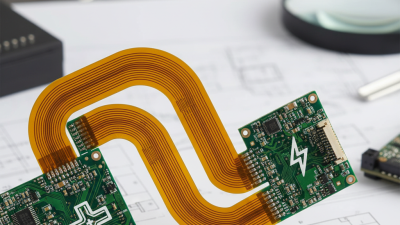
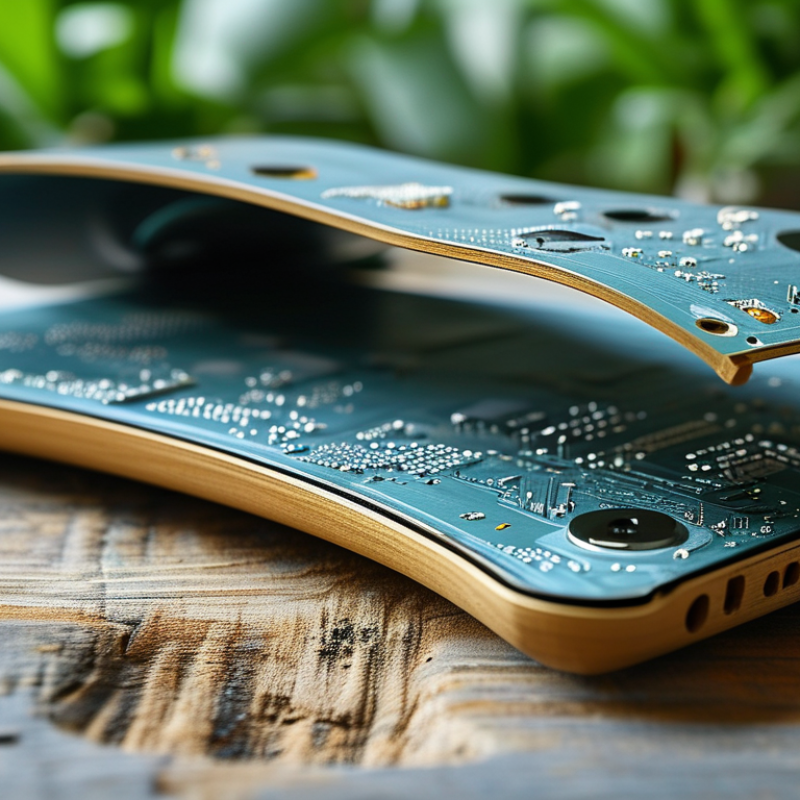
Flexible printed circuits (FPCs) are a remarkable innovation in the electronics field. They consist of thin layers of conductive material, often copper, laminated onto a flexible substrate. This design allows them to bend, fold, and twist, making them ideal for compact spaces. FPCs can fit into various electronic devices, from smartphones to medical instruments. Their lightweight nature is a significant benefit, reducing the overall weight of products.
In addition to being lightweight, flexible printed circuits offer enhanced durability. Traditional circuits are rigid and can crack under stress, while FPCs can endure bending and twisting. This resilience leads to a longer lifespan for electronic devices. However, not all applications benefit from FPCs. For instance, in products requiring high power, traditional circuits might still be preferred. It’s important to assess performance needs carefully.
The versatility of FPCs leads to various applications across industries. They are common in consumer electronics and automotive systems, where space efficiency is crucial. Unique designs often require custom FPCs, which can increase production costs. This trade-off between flexibility and cost raises questions for manufacturers. Understanding these dynamics is important for effective design and production decisions.
The Components of Flexible Printed Circuits
Flexible printed circuits (FPCs) are essential in modern electronic devices. They consist of various components working together. The primary elements include a flexible substrate, conductive traces, and protective layers. The substrate, usually made from materials like polyimide, provides flexibility and durability. Conductive traces are etched onto the substrate, forming electrical pathways. These traces are often made from copper, ensuring effective signal transmission.
Protective layers serve to shield the circuitry from environmental factors. These layers can be made of various materials and help prevent damage. Connectors are also vital, allowing FPCs to interface with other components. Ensuring reliable connections is important for overall circuit performance. Every component must be precisely designed and manufactured for the circuit to function well.
When designing FPCs, consider the layout carefully. Poor design can lead to short circuits. It’s crucial to test for flexibility under various conditions. Small mistakes can lead to larger failures. Reliability in material choice is key. Using high-quality materials can enhance the longevity of the circuits. Remember to keep the design as simple as possible. Complexity can lead to errors during manufacturing. Always review the design with a critical eye for potential improvements.
Advantages of Using Flexible Printed Circuits
Flexible Printed Circuits (FPCs) offer numerous advantages, making them a popular choice in modern electronics. One notable benefit is their lightweight nature, which simplifies design and improves portability. Manufacturers appreciate how FPCs can save space in tight applications. Their flexibility allows them to fit into compact and intricate spaces where traditional circuits might not. This adaptability is critical in sectors like aerospace and medical devices.
Additionally, FPCs enhance durability. They can withstand bending and twisting without breaking, unlike traditional rigid circuits. This resilience is vital for devices that undergo frequent movement. Furthermore, FPCs require fewer interconnections, which reduces points of failure. This lowers the likelihood of faults in complex assemblies. However, creating flexible circuits can be challenging. The manufacturing process is intricate, and quality control is essential. Subpar production can lead to issues that are difficult to diagnose later.
Moreover, FPCs facilitate advanced designs. They support higher circuit density, enabling more features in a smaller footprint. This pushes innovation in many technology sectors. However, there is a learning curve involved in designing for FPCs. Engineers require specific skills to maximize their potential. As with any emerging technology, careful consideration of both advantages and limitations is crucial for effective implementation.
Common Applications of Flexible Printed Circuits
Flexible Printed Circuits (FPC) have gained popularity in various industries due to their versatile applications. One common use is in consumer electronics. These circuits fit easily into compact spaces, enabling sleek designs in smartphones and tablets. They help connect components without the bulk of traditional circuit boards.
Another key application lies in the automotive sector. Flexible circuits are utilized in advanced driver-assistance systems (ADAS). They improve the connection between sensors and control units while navigating limited space in vehicles. Their ability to withstand harsh conditions makes them suitable for this purpose.
Tips: For those considering FPCs, focus on material selection. The right materials ensure durability and performance. Testing prototypes is crucial for successful integration into designs. Addressing possible design flaws early can save future costs. Remember, continuous learning in your approach aids in optimization.
Future Trends in Flexible Printed Circuit Technology
Flexible printed circuits (FPCs) are becoming increasingly important in various industries. Their unique ability to bend and fit into compact spaces allows for innovative designs. As technology advances, we can expect numerous applications to emerge. For instance, wearable devices and medical instruments are now commonly utilizing FPCs. They help reduce bulk and improve functionality.
Future trends indicate that the demand for FPCs will rise. Miniaturization is a key driver, pushing for smaller and lighter devices. Enhanced reliability is also crucial. New materials are being explored to improve performance. Manufacturers are investing in sustainable practices, aiming for eco-friendly solutions. This will likely lead to a shift in production methods and materials.
Consider where flexibility is necessary in your designs. Think about the end-user experience. Decisions about circuit types can impact both performance and usability. Seek collaborations with experts in materials and technology. This can open doors to innovative solutions. Embrace the change and explore new possibilities in flexibility.