What is a Smart Plug Outlet and How Does it Work?
In today's tech-driven world, a Smart Plug Outlet is transforming how we manage our devices. This compact device connects to a standard electrical outlet, allowing users to control household appliances remotely. By using a smartphone app, you can turn devices on or off, set schedules, and monitor energy usage. Imagine arriving home and switching on the lights before you step inside.
These plugs enhance convenience and efficiency. However, their effectiveness depends on reliable Wi-Fi and proper setup. Sometimes, users face connectivity issues. This calls for a better understanding of both the Smart Plug Outlet and the home network it relies on. A straightforward setup might lead to unexpected interrupts, emphasizing the need for user patience.
Understanding the intricacies of smart technology helps users adapt quickly. While many find Smart Plug Outlets beneficial, it is essential to recognize their limitations. As more people adopt these devices, awareness around connectivity and functionality becomes crucial. Embracing both the benefits and challenges can lead to a more connected and energy-efficient home.
Definition and Purpose of Smart Plug Outlets
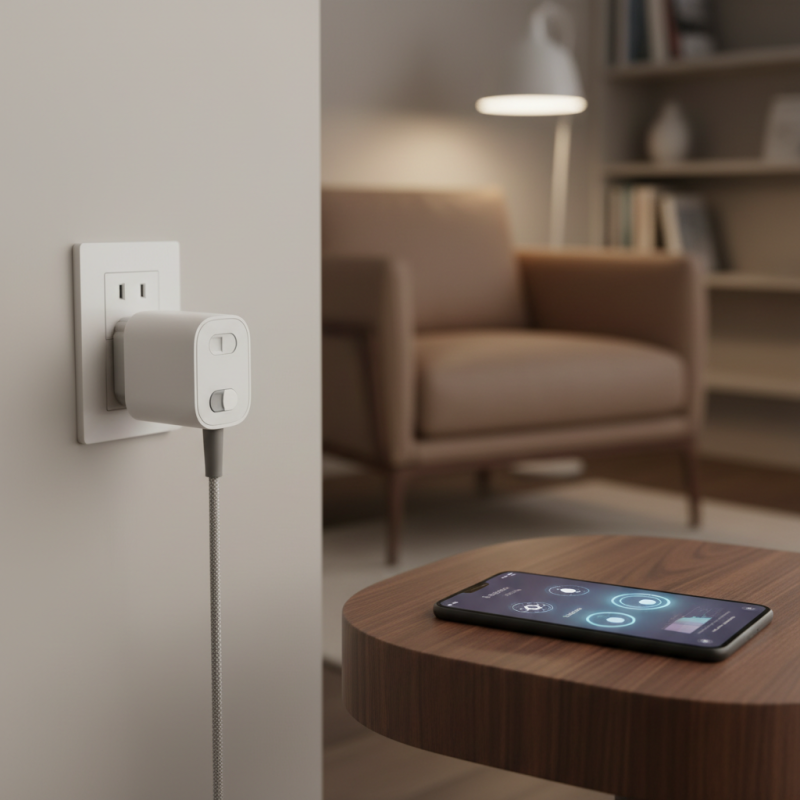
Smart plug outlets are innovative devices designed to enhance ordinary electrical outlets. They allow users to control connected appliances remotely through a smartphone or smart home system. This functionality adds convenience and efficiency to daily life.
The purpose of smart plug outlets goes beyond simple remote control. Users can set timers, schedules, and even monitor energy consumption. Imagine turning on your coffee maker while still in bed. With a smart plug, this is possible. Monitoring energy usage helps identify appliances that consume too much power. This feature can encourage users to rethink their habits and lead to energy savings.
However, not all users find them intuitive. Some struggle with app setups or connecting devices. Security concerns also arise, as smart plugs can be vulnerable to hacking. It's essential for users to consult reliable resources and maintain updated security practices. This device can be a step toward a smarter home, but it requires thoughtful consideration and understanding.
Smart Plug Usage Statistics by Purpose
How Smart Plug Outlets Operate: Technology Behind Them
Smart plug outlets are a fascinating innovation that simplifies the way we manage electrical devices. At their core, these devices allow users to control household electronics remotely. This functionality is made possible through Wi-Fi or Bluetooth technology. Users can operate their smart plugs via a smartphone app or voice command, providing convenience in our busy lives. According to a report by Markets and Markets, the smart plug market is projected to grow from $2.6 billion in 2020 to $9.6 billion by 2025, demonstrating significant consumer interest.
The operation of smart plugs typically hinges on embedded microcontrollers, which communicate with routers and devices. They utilize Zigbee or Z-Wave protocols for effective communication in smart home ecosystems. While many plugs work seamlessly, they can encounter connectivity issues. Factors like distance from the router or interference from other devices can disrupt functionality. Therefore, users must ideally position their smart plugs to ensure optimal performance.
Recent studies emphasize the importance of energy efficiency as well. Smart plugs can help monitor energy consumption. Some models report real-time usage data, allowing users to make informed decisions about their electricity use. However, a paradox exists: while smart plugs promote energy savings, their standby power consumption can contribute to what is known as phantom load. Balancing convenience and efficiency is a consideration every user should think through when integrating these devices into their homes.
What is a Smart Plug Outlet and How Does it Work?
| Feature | Description | Benefits | Technology Used |
| Remote Control | Allows users to control devices from their smartphone. | Convenience of controlling devices from anywhere. | Wi-Fi or Bluetooth connectivity. |
| Scheduling | Set timers for when devices turn on or off. | Automation of daily routines. | Smartphone app with scheduling features. |
| Energy Monitoring | Tracks energy usage of connected devices. | Helps reduce energy consumption. | Integrated sensors and data analytics. |
| Voice Control | Compatible with voice-activated assistants. | Hands-free operation. | Integration with smart home systems. |
| Safety Features | Surge protection and overload prevention. | Protects devices from electrical issues. | Smart circuitry and monitoring technology. |
Benefits of Using Smart Plug Outlets in Everyday Life
Smart plug outlets have transformed the way we interact with our home appliances. These innovative devices enable us to control electrical devices remotely via smartphone apps or voice commands. According to the International Data Corporation (IDC), the smart home market is expected to reach $158 billion by 2024. This growth highlights the rising adoption of smart devices, including smart plugs.
Many households report reduced energy consumption after using smart plugs. A study by the American Council for an Energy-Efficient Economy found that smart plugs can reduce energy use by 10-30% for connected devices. For example, you can schedule lights to turn off automatically at night, minimizing unnecessary energy expenditure. This feature is particularly helpful for people who often forget to unplug devices.
Convenience is another significant advantage. Imagine turning on your slow cooker remotely before you arrive home or ensuring your devices are off after leaving. However, there are concerns. Some users might experience connectivity issues, particularly with poor Wi-Fi coverage. This inconsistency can lead to frustration. Moreover, not every device is compatible, limiting the potential benefits. Continuous reflection on how these tools fit into personal daily routines is vital for maximizing their potential.
Common Applications and Use Cases for Smart Plug Outlets
Smart plug outlets are becoming increasingly popular for enhancing home automation. They offer convenience, energy savings, and flexibility for managing your devices. Common applications include turning on lamps, controlling fans, and managing appliances like coffee makers. You can set schedules or control devices remotely using a smartphone app. This makes daily routines more efficient and, in many cases, more energy-efficient.
Want to make the most out of your smart plugs? Here are a couple of tips:
- Use your smart plugs with timers for holiday lights. You can schedule them to turn on at sunset and off at midnight.
- Also, consider grouping devices together. For example, connect your entertainment system to one smart plug. This way, you can power everything off with a single tap.
When incorporating smart plugs, reflect on your energy habits. Do you leave devices plugged in unnecessarily? Smart plugs can help manage those. Yet, not all devices are compatible. Check compatibility before purchasing. Some older appliances may not work efficiently with smart technology. Always prioritize
safety and follow guidelines for usage.
Considerations When Choosing a Smart Plug Outlet
When choosing a smart plug outlet, several key factors come into play. Understanding your specific needs is essential. Smart plugs come with varying features, such as energy monitoring, scheduling, and compatibility with virtual assistants. According to a 2023 report by Statista, 45% of smart home device owners specifically look for energy efficiency. This makes energy monitoring a valuable option for environmentally conscious consumers.
Another consideration is compatibility. A survey conducted by the Consumer Technology Association indicated that 65% of users prefer devices that integrate seamlessly with their existing smart home ecosystems. Ensure that the smart plug works with other devices you own. Lack of compatibility can lead to frustration.
Finally, security is paramount. Smart plugs can be vulnerable to hacking if not properly secured. A report from the Cybersecurity and Infrastructure Security Agency (CISA) found that at least 30% of home smart devices have weak security protocols. Regularly updating firmware and utilizing network security features can mitigate risks. Thoughtful selection based on these details will enhance your smart home experience and ensure reliable performance.