Top Industrial Valve Actuator Manufacturers for Your Needs?
In the world of industrial automation, selecting the right Industrial Valve Actuator Manufacturer is crucial. These manufacturers play a key role in enhancing operational efficiency. Their products ensure precise control over fluid flow. When choosing an actuator, reliability and performance are essential factors.
Several leading manufacturers stand out in this competitive market. They offer a range of actuator types, including electric and pneumatic options. Each type has unique benefits based on specific applications. However, not all manufacturers meet industry standards. Some may lack the experience or technology required for high-stakes environments.
Understanding your specific needs is vital. The right Industrial Valve Actuator Manufacturer should provide tailored solutions. Exploring this market requires careful research. Look for manufacturers with a proven track record and quality assurance practices. With so many options, decision-making can feel overwhelming. Yet, identifying the right partner can significantly impact your operations.
Overview of Industrial Valve Actuators and Their Applications
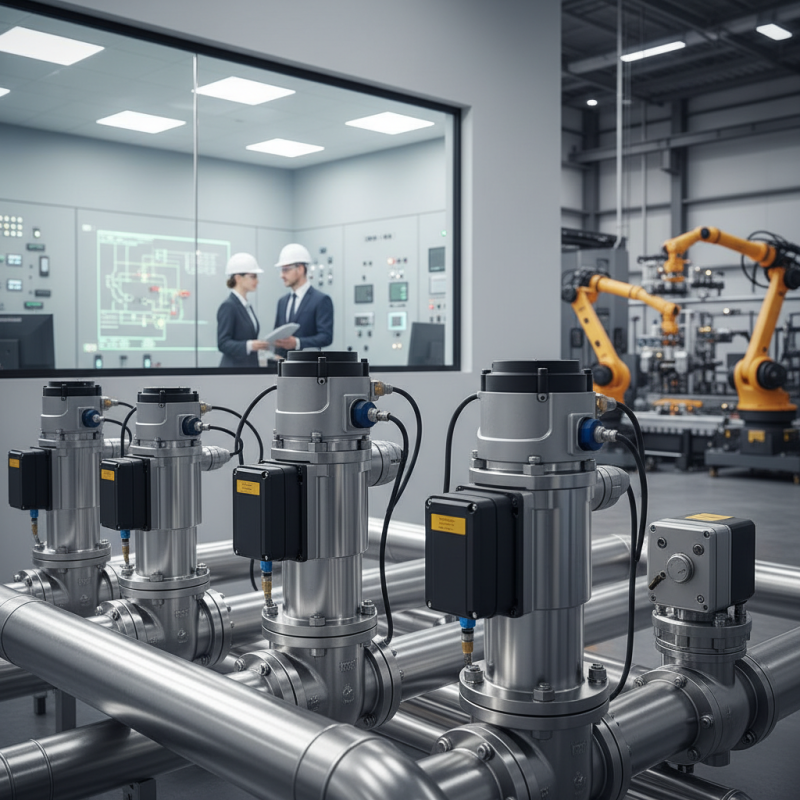
Industrial valve actuators play a crucial role in automation across various industries. These devices control the operation of valves, ensuring efficient fluid control. Industries such as oil and gas, water treatment, and HVAC heavily rely on these actuators. According to a recent report, the global industrial valve actuator market is expected to reach $5 billion by 2026, growing at a CAGR of 5.3%. This highlights the increasing demand for advanced automation solutions.
Various actuator types exist, including electric, pneumatic, and hydraulic actuators. Electric actuators are gaining popularity for their precision and ease of integration. They are suitable for applications requiring minimal maintenance and accurate control. Pneumatic actuators are often chosen for their quick response times. However, they may require more extensive systems and maintenance. Hydraulic actuators deliver high torque but can be more complex and costly.
Tips: Always assess your specific application needs before selecting an actuator. Evaluating factors like operating environment, maintenance, and energy costs can lead to better decisions. Additionally, consider the actuator's lifespan and reliability, as these can impact long-term operational efficiency. Lastly, don't overlook the importance of supplier support for installation and maintenance. Choosing the right actuator can be challenging, but it is essential for optimal performance.
Key Features and Specifications to Consider When Choosing Actuators
When selecting industrial valve actuators, key features and specifications are critical. Actuators must match your system's specifications to optimize performance. Look for compatibility with valve types and operating conditions. For instance, a professional study revealed that over 50% of valve failures resulted from mismatched actuators. This highlights the importance of proper selection.
Evaluate the actuator's response time. Many industries require rapid adjustments to maintain operational efficiency. Data indicates that a decrease in response time can lead to a 20% improvement in process efficiency. Additionally, consider the power supply options. Electric, pneumatic, and hydraulic actuators each have unique benefits. Ensure the actuator can function effectively within your facility’s infrastructure.
Don't overlook durability. Harsh environments can stress equipment, leading to early failures. A report from an industry think tank noted that durability issues account for 30% of maintenance costs. Choose actuators made from robust materials suitable for your operating environment. Understanding these factors can significantly reduce downtime and enhance overall system reliability.
Top Industrial Valve Actuator Manufacturers for Your Needs
| Manufacturer Type | Actuator Type | Power Source | Torque Range (Nm) | Operating Temperature (°C) | Control Method |
| Electric | Linear Actuator | Electric | 50 - 500 | -20 to 80 | Analog |
| Pneumatic | Rotary Actuator | Compressed Air | 20 - 200 | -20 to 70 | Digital |
| Hydraulic | Linear Actuator | Hydraulic Fluid | 100 - 1000 | -10 to 90 | Analog |
| Electric | Smart Actuator | Electric | 10 - 150 | -20 to 60 | Digital |
| Pneumatic | Quarter Turn Actuator | Compressed Air | 30 - 300 | -20 to 60 | Analog |
Top Manufacturers of Industrial Valve Actuators in the Market
When it comes to selecting industrial valve actuators, the market features various reputable manufacturers. These companies excel in designing, engineering, and producing reliable products. Many have gained recognition for their innovation and quality, earning the trust of diverse industries. Their actuators are critical components for managing flow control in various applications.
Some manufacturers focus on electric actuators, while others specialize in pneumatic or hydraulic systems. Each type offers unique advantages. For instance, electric actuators often provide precision in control. Pneumatic actuators can be more powerful in demanding environments. It's essential to consider the specific requirements of your operation when choosing an actuator type.
While many manufacturers have strong reputations, not all products are created equal. Some may lack durability or efficiency in extreme conditions. It's beneficial to assess not only the products but also the manufacturer's customer support and service capabilities. Researching user reviews can provide insights into the long-term reliability of their products.
Top Industrial Valve Actuator Manufacturers Market Share
Comparison of Leading Valve Actuator Brands: Strengths and Weaknesses
When considering industrial valve actuators, it's essential to understand the strengths and weaknesses of various brands. Different manufacturers excel in unique areas, which can greatly influence your decision. Some may offer superior responsiveness, while others focus on durability. Take a deep dive into specific metrics like speed, torque, and energy efficiency. Don't rush; analyze what features truly matter for your application.
Tip: Always ask for real-world performance data. Manufacturers provide specs, but field feedback is invaluable. Real scenarios often reveal hidden issues or benefits.
A common challenge is balancing cost with performance. Lower-priced actuators might save money upfront but can lead to inefficiencies over time. Conversely, premium options may have features that exceed your actual needs. It is crucial to evaluate the life-cycle costs, not just the initial purchase price.
Tip: Consider future needs. Growth or changes in operations may affect actuator requirements. Choose solutions that can adapt as your processes evolve.
Trends and Innovations in Industrial Valve Actuator Technology
In the world of industrial valve actuators, technological trends are evolving rapidly. Innovations focus on automation, efficiency, and reliability. Smart actuators are on the rise. They offer real-time data analytics for better decision-making. This leads to more efficient operations in various industries, from oil and gas to water management.
Energy efficiency is another critical trend. Manufacturers are designing actuators that consume less power while maintaining performance. Advanced materials are being used to reduce wear and tear, contributing to longevity. The trend towards modular systems allows for easier upgrades. These systems can adapt to different applications without extensive overhauls.
However, challenges persist. Integrating new technologies can be complex. Not all facilities can accommodate the latest advancements. User training is often necessary, causing initial downtime. This highlights the importance of assessing specific needs before diving into innovation. Balancing cutting-edge technology with practical application is vital for success.