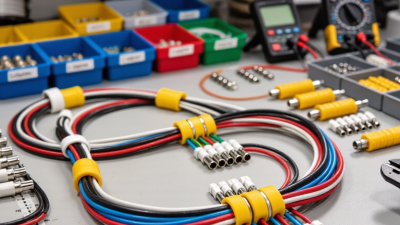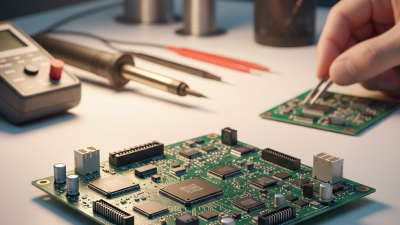
Choosing a cable harness assembly manufacturer affects vehicle safety, factory uptime, and long-term product reliability. It is not merely a purchasing decision. Each supplier must prove how it controls materials, crimping, testing, documentation, and delivery.
According to Tony D. Palmer, former executive director of the Wiring Harness Manufacturer’s Association, “Quality is built into the process, not inspected into the product.” This principle remains practical on a busy production floor. A properly controlled harness should show consistent terminal pull strength, clean insulation stripping, accurate labeling, and dependable continuity results. Small details matter. One loose crimp can interrupt an entire machine.
This guide examines the top 10 cable harness assembly manufacturers worldwide. The comparison considers manufacturing experience, engineering capability, global coverage, quality systems, customization, and customer support. It also looks beyond polished websites and impressive facility photographs. Real performance appears in repeatability, traceability, sample approval, and how quickly a supplier responds to design changes.
The ranking is not absolute. Industry needs differ. A medical-device company may value documentation, while an automotive program may prioritize automation and volume. Some manufacturers excel globally but offer less flexibility for small orders. Others provide excellent engineering support but limited regional capacity. That distinction deserves attention.
Readers should verify certifications, audit results, testing methods, and production references before making a final decision. This list offers a practical starting point, not a substitute for technical due diligence. Mistakes remain possible. Even experienced buyers can overlook hidden risks in connectors, tolerances, or supply continuity.
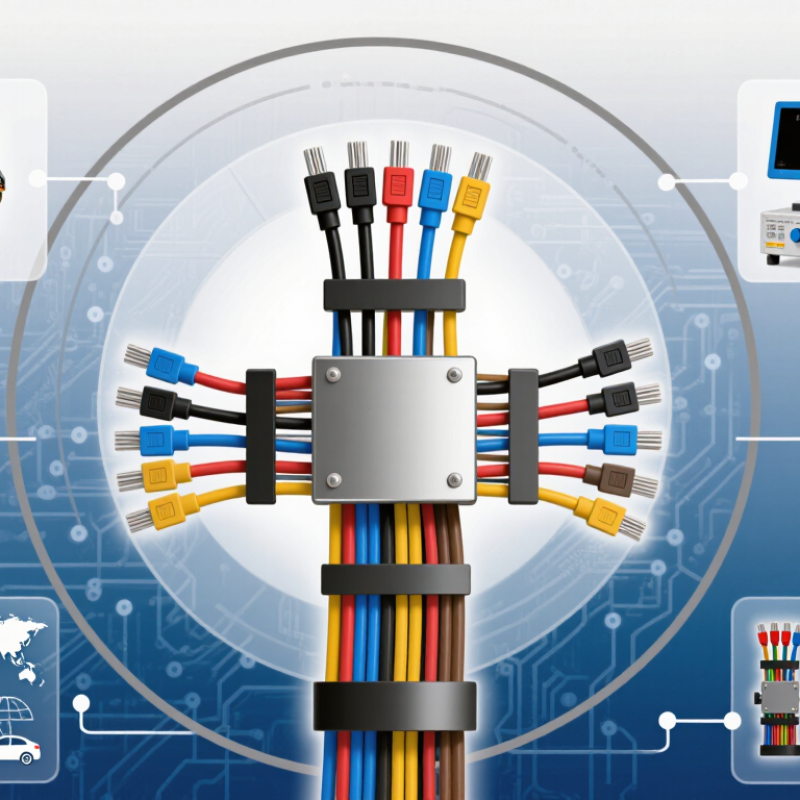
Cable harness assembly manufacturing is the controlled process of grouping wires, terminals, connectors, and protective materials into one tested electrical unit. It converts electrical diagrams into practical assemblies for vehicles, machinery, appliances, and communication equipment.
The scope begins with design review and material selection. Engineers confirm wire size, insulation type, current capacity, bend radius, and operating temperature. Operators then cut, strip, crimp, route, and secure each wire according to documented instructions. Each terminal must reach the correct crimp height and pull strength. Labels, seals, clips, braids, and protective tubing also require careful placement.
Small errors matter. A misplaced cavity can disable an entire system. Worldwide manufacturers may support prototypes, small batches, or high-volume production. Their capabilities differ in automation, testing depth, traceability, and engineering support. Qualified facilities typically use continuity testers, high-voltage insulation checks, pull-force gauges, and visual inspection stations.
Practical production experience shows that tooling condition affects results more than many buyers expect. A worn crimp applicator can create hidden defects while appearing acceptable. That weakness needs review. Reliable manufacturing therefore combines trained operators, calibrated equipment, controlled work instructions, and recorded inspection data. Some projects also require environmental testing, vibration resistance, or custom overmolding. Clear specifications reduce rework, although even experienced teams should challenge unclear drawings before production begins.
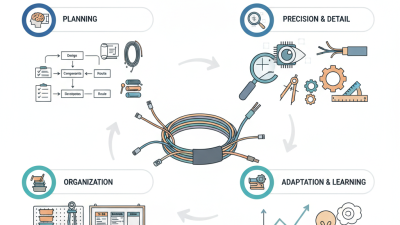
Comparing global cable harness manufacturers requires more than reviewing prices or production photos. Examine engineering experience, drawing interpretation, and material selection. A reliable supplier should explain wire gauges, terminal compatibility, insulation limits, and routing requirements clearly. Ask for evidence from comparable projects, not general claims.
Quality systems deserve close attention. Check process controls for crimp height, pull-force testing, continuity checks, and visual inspection. Traceability should connect each harness to materials, operators, machines, and inspection records. Certifications can support credibility, but they do not replace an on-site audit. A perfect sample may not represent daily production. That point is easy to miss. Also compare tooling capacity, prototype support, production scalability, lead-time stability, and corrective-action speed. The lowest quote may hide rework, freight delays, or inconsistent materials.
Tips:
Request a sample inspection report and a small pilot batch. Compare connector fit, labels, bend radius, and packaging details. Ask how the manufacturer handles an unclear drawing. Their response often reveals practical expertise. Review communication across time zones, too. Fast replies are useful, but accurate replies matter more. Total cost should include testing, logistics, tooling changes, and possible line stoppages. A second audit may still be worthwhile, especially when volumes increase or specifications change.
Top 10 Cable Harness Assembly Manufacturers Worldwide
Regional presence often separates capable cable harness manufacturers from merely large suppliers. Leading companies typically operate plants near major automotive, aerospace, medical, and industrial markets. Their locations can shorten shipping routes, simplify audits, and improve engineering response times.
North America supports advanced vehicle, defense, and industrial programs. European manufacturers often emphasize traceability, compact designs, and strict process control. East Asia remains strong in high-volume electronics and automotive harness production. Southeast Asia provides expanding capacity and competitive labor resources. India and Eastern Europe also attract projects requiring skilled assembly and regional supply flexibility. These patterns are useful, but rankings are not perfectly objective. A supplier with fewer facilities may provide better technical support.
Tips: Check plant certificates, production capacity, sample approval records, and local engineering coverage. Ask how the supplier handles wire changes, connector shortages, and urgent rework. A factory tour can reveal practical details, such as labeled bins, controlled crimp tools, and clean inspection benches. Do not judge regional presence by office addresses alone. Confirm where cutting, crimping, testing, and final packing actually occur.
Reliable evaluation should include first-hand audits and measurable quality data. Review defect rates, continuity test procedures, employee training, and corrective-action speed. Regional backup sites may reduce disruption, yet duplicated processes can create inconsistent results. That risk deserves attention. A strong manufacturer explains its limits clearly and provides evidence before accepting a complex program.
Leading cable harness assembly manufacturers are measured by more than production volume. Their capabilities include automated wire cutting, controlled stripping, terminal crimping, ultrasonic welding, overmolding, and functional testing. Experienced teams also support prototype builds, low-volume orders, and complex routing requirements. A harness should fit its enclosure without forced bends or strained connectors.
Quality systems provide the real test. Reliable manufacturers commonly align processes with ISO 9001 and IPC/WHMA-A-620 requirements. Automotive programs may require IATF 16949, while medical assemblies often follow ISO 13485 controls. Traceable materials, calibrated crimp-height gauges, pull-force tests, and 100% continuity checks reduce avoidable failures. Small details matter. A loose terminal can overheat inside a sealed machine.
Industry application changes the manufacturing approach. Aerospace harnesses need lightweight materials, strict documentation, and careful shielding. Industrial equipment requires abrasion resistance and stable performance near motors, heat, and vibration. Medical devices demand clean handling and consistent identification. Consumer products often prioritize compact routing and fast design changes. Even strong suppliers can miss a packaging issue or underestimate installation time. That weakness deserves open review, not polished wording. Factory audits, sample approval, first-article inspection, and regular corrective-action records help buyers judge reliability among the world’s leading ten manufacturers.
The supplier list matters less than the supplier’s process control. Grand View Research forecasts the global cable assembly market to grow at about 6.6% annually through 2030. That growth increases capacity pressure and makes supplier evaluation more important. Ask for evidence of controlled crimping, connector insertion, soldering, and continuity testing. Do not guess.
A capable manufacturer should work to IPC/WHMA-A-620 requirements and maintain documented inspection records. Request sample inspection reports, material certificates, and a traceability example from wire reel to finished harness. Check whether operators use calibrated pull testers, automated testers, and visual inspection guides. Small details matter. A loose terminal can create heat, vibration, or intermittent failure in the field.
Review the supplier’s quality system, production capacity, and engineering response time. ISO 9001 certification supports process discipline, while sector-specific systems may be necessary for automotive or aerospace applications. MarketsandMarkets identifies automotive, industrial, and communication equipment as major cable assembly demand areas, so relevant experience should influence your decision. Visit the facility if possible. A clean workbench does not prove everything, but poor labeling is a real warning. I would also compare defect rates, corrective-action records, minimum order quantities, and realistic lead times. A polished prototype can still hide weak production controls. Use a small pilot order before approving full-scale supply.